Wolbach Farm Interpretive Trail, Post 3

Winter Brook

As you start up the George Lewis Memorial Trail (named for an SVT founder), you may see Winter Brook, an intermittent stream that flows parallel to the left side of the trail. The moist, rich soils here are home to some of the largest diversity of plants on the property.

Image
Skunk Cabbage

A thriving population of skunk cabbage (Symplocarpus foetidus) sits along the stream. This is one of the first plants to show green during the early spring months.

Skunk cabbage has the ability to produce heat, which allows it to bloom when the ground is still frozen. The flower buds warm to 70 degrees, melting the snow around them. The warming ability has a double purpose: The warm air carries the plant's unique skunky smell to pollinators who are attracted to rotting meat.

Photo: Skunk cabbage, photographed by David Mark.


Image
Dwarf Gingseng and Nodding Trillium

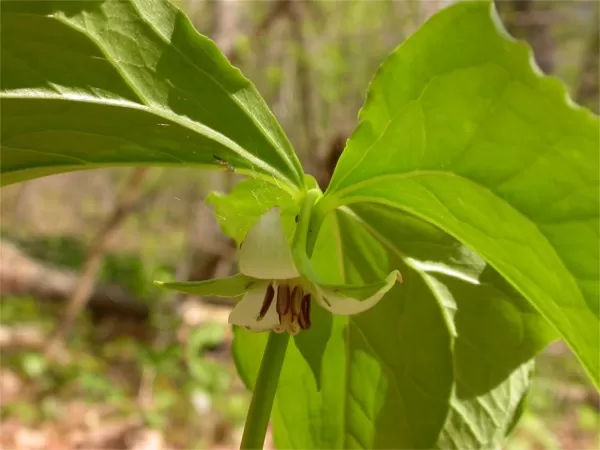
Two rare plants that have been spotted near Winter Brook are dwarf ginseng (Panax trifolius) and nodding trillium (Trillium cernuum).

Nodding trillium is a native perennial wildflower. It is the northernmost wildflower in the trillium species, and it thrives in wet seepage areas. It gets its name from the Latin root "tri" because all parts of the plant occur in groups of three.

Dwarf ginseng is a small wildflower that produces an umbel of white petals. It was originally used by Native Americans as a medicinal plant due to its pain-relieving properties.

Photo: Dwarf ginseng, photographed by Dawn Dentzer.

Photo: Nodding trillium, photographed by Ron McAdow.

Back to Wolbach Farm Interpretive Trail main page.

Image